Real Questions & Support for Women with Gestational Diabetes
Finding out you have gestational diabetes can feel overwhelming. But you’re not alone, and you don’t have to figure it out yourself. Whether you’re newly diagnosed, a few weeks into managing it, or adjusting to life after delivery, this is your space to connect with women who understand and to get real answers from experts who care.
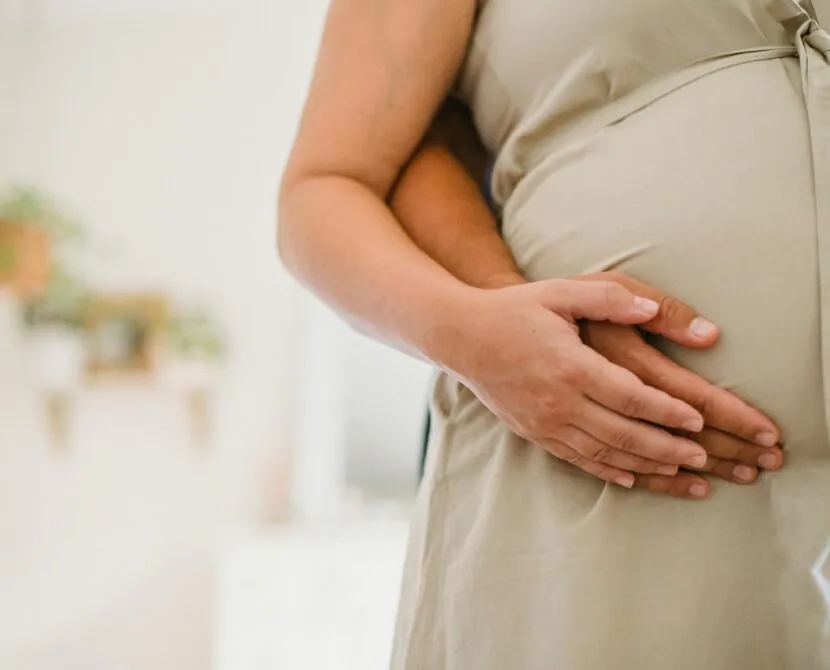
Resources for Navigating Gestational Diabetes
Gestational Diabetes Mellitus (GDM) often appears during pregnancy, usually around 24–28 weeks. If you’ve just been diagnosed, take a deep breath. Many women walk this path successfully every day. With the right tools, community, and encouragement, you can manage it one step at a time.
And the journey doesn’t end when your baby arrives. Postpartum brings new questions about healing, breastfeeding, energy, and long-term health. That’s why community matters. Here, you’ll find expert guidance, personal stories, and trusted support for every stage — from diagnosis to life after delivery.





Participate in Gestational Diabetes Research

Get Treatment Support During Pregnancy
Access treatment options and support for managing blood sugar to lower your and your baby’s risk of complications while navigating gestational diabetes through the DECIDE study.

Get Support After Pregnancy to Lower Diabetes Risk
Receive personalized support through the GoodMoms study to help you achieve a healthy weight after a pregnancy with gestational diabetes and reduce your risk for developing type 2 diabetes.
Gestational Diabetes FAQs
What does it mean to have gestational diabetes?
Gestational diabetes is high blood sugar that develops during pregnancy, usually between 24 and 28 weeks. It does not mean you did anything wrong. With the right support and care, it can be managed for you and your baby’s health.
What happens after I’m diagnosed?
You’ll learn how to check your blood sugar, adjust meals and snacks, and in some cases, take insulin or medication. Our Starter Toolkit can help while you wait for provider guidance.
What can I eat with gestational diabetes?
There is no single “gestational diabetes diet.” Many women find balance through smaller, more frequent meals that include protein, fiber, and healthy fats. We share recipes, snack ideas, and food swaps from other women living with GDM.
Do I have to take insulin?
Not always. Some women manage blood sugar with food and activity, while others need insulin or other medication. Needing insulin is not a failure—it simply means your body needs extra support during pregnancy. Women who participate in the DECIDE Study can get help evaluating metformin and insulin treatment of gestational diabetes.
How will gestational diabetes affect my baby?
When well-managed, most pregnancies with GDM result in healthy babies. Without treatment, risks can include high birth weight, early delivery, or low blood sugar at birth. Managing your glucose helps lower these risks.
What happens after my baby is born?
Gestational diabetes usually goes away after delivery, but you’ll need a follow-up glucose test at 6 to 12 weeks postpartum. Having GDM increases your risk for type 2 diabetes later, so ongoing check-ins with your provider are important.
Can I breastfeed if I had gestational diabetes?
Yes. Breastfeeding is encouraged and can even lower your risk of developing type 2 diabetes in the future. It also supports your baby’s long-term health.
How can I find emotional support?
Managing GDM can feel stressful, isolating, or even discouraging at times. DiabetesSisters hosts regular meetups, workshops, and webinars where you can connect with other women who understand what you are going through and offer support.
How can I make a difference for future moms?
Your story matters. By participating in research, you can help improve care and outcomes for women in the future.
- The DECIDE Research Study is focused on helping women access and evaluate treatment for managing blood sugar and lowering risk of complications during gestational diabetes.
- The GoodMoms Study is focused on supporting women in managing their weight and building lifelong healthy habits to reduce your risk of developing type 2 diabetes after pregnancy.
- The T1D Pregnancy & Me Study is designed for women living with type 1 diabetes during pregnancy. This nationwide study allows eligible participants to self-enroll, share their lived experiences through questionnaires, and contribute device data to advance understanding and improve care.
What are other ways I can participate with DiabetesSisters?
There are many ways to connect, contribute, and grow with us:
- Join a Meetup: Our peer-led groups bring women together to share stories, ask questions, and feel less alone.
- Ask an Expert: Submit your questions to our educators and health professionals.
- Share Your Story: Your journey can inspire others. We welcome blogs, testimonials, or even short quotes for our community.
- Volunteer or Advocate: Help us expand our programs, raise awareness, and ensure women with diabetes have a voice.
- Engage Online: Subscribe to our newsletter, follow us on social media, and more.
How can organizations partner with DiabetesSisters?
We welcome collaborations with organizations that share our commitment to supporting women with diabetes. Partners can:
- Collaborate on educational resources and events
- Support our Meetups for women with all types of diabetes
- Partner with us on research and advocacy initiatives
- Provide sponsorships that expand our reach and help keep programs free for women
Interested in partnering? Visit https://diabetessisters.org/partner-sponsor/ to learn more about opportunities for collaboration.
Program in Collaboration with DECIDE & GoodMoms