Be Heart Smart and have FUN doing it!
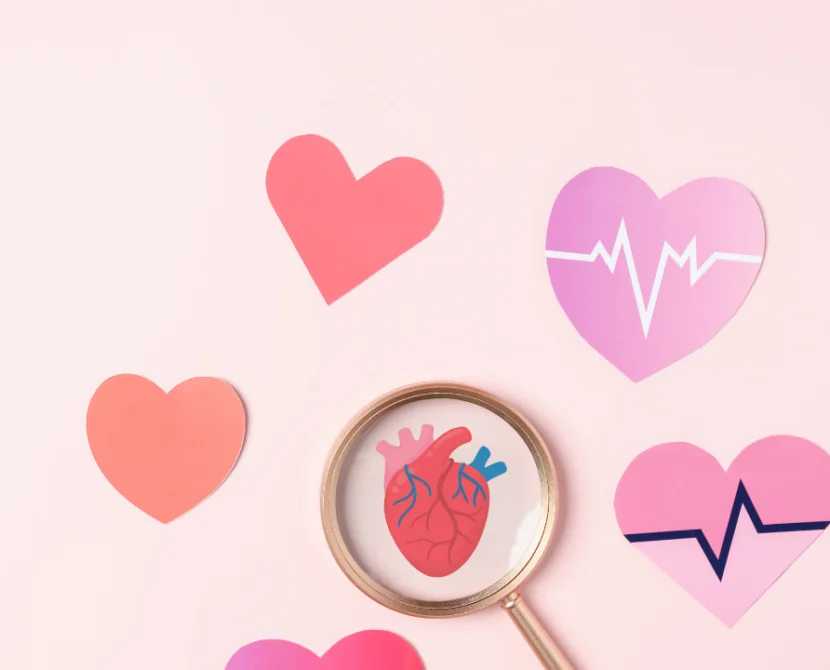
Heart Health and Diabetes: What Women Need to Know
As a person with diabetes, you may already know that heart disease is a serious concern—but the numbers are still worth repeating:
- Heart disease is the leading cause of death in women in the U.S. (1)
- About one in 16 white, Black, and Hispanic women and about one in 30 Asian women age 20 and older have coronary heart disease, the most common type of heart disease. (2)
- Women with diabetes are three to four times more likely to develop heart disease than women without diabetes. (3)
- Women with diabetes often develop heart disease in their 40s and 50s and are more likely to have fatal heart attacks than men with diabetes. (4)
The Good News
As a woman, there are many easy—and enjoyable—things you can do to protect your heart.
Let’s get started.
Heart Smarts: Simple Ways to Protect Your Heart
Move More in Ways You Enjoy
Have fun getting more active. Choose activities you genuinely enjoy, such as walking in a park, dancing, bicycling, swimming, or yoga. When movement feels enjoyable instead of like a chore, you’re far more likely to stick with it as a daily habit.
Quit Smoking (or Don’t Start)
If you smoke, quitting can dramatically lower your heart risk. You’ll look and feel better—and save money. Women who smoke are at higher risk for heart attack than men. Many employers offer health coaches to help with quitting, and there are free online resources available. (5)
Focus on a Healthy Waist Size—Not the Scale
Instead of dieting to lose a specific number of pounds, aim for a healthy waist size. Losing weight through dieting often means losing muscle along with fat, which can weaken joints and increase injury risk.
A helpful guideline is a waist size less than half your height. For example, if you are 5’6” (66”), a waist size under 32” is a reasonable goal.
Activities like weight lifting, yoga, or Pilates can help tone your body. Your weight may stay the same—or even increase—but if your waist size decreases, you’re losing fat and gaining healthy lean muscle. More lean muscle helps keep blood sugar in range, even at rest. Ignore the scale.
Enjoy Heart-Healthy Meals
Healthy meals don’t have to be complicated. A balanced approach often includes:
- Plenty of low-carb vegetables
- Some fruit
- Lean protein (especially from beans and other legumes)
- Some whole grains
- Small amounts of a variety of nuts and seeds
Support Your Mental Health
Stress is part of life, but you can choose how you respond to it. Make time each day to release stress in ways that feel good to you—such as walking, listening to relaxing music, reading, meditating, breathing exercises, or taking a warm bath. Many effective stress-reduction tools are free and easy to access.
Get Help for Depression When Needed
Mental health care is essential for heart health. Think of mental health like tending a garden—you need healthy nourishment, movement, rest, and support, while removing sources of stress and depression.
Depression and chronic stress are more likely to harm women’s hearts than men’s. Don’t hesitate to reach out to healthcare professionals, friends, or family for support. (6)
Manage Your ABCss
A: A1C
Get regular A1C tests to measure your average blood sugar over the past 2–3 months and aim to stay within your target range as much as possible.
B: Blood Pressure
Work with your healthcare provider to keep blood pressure below 140/90 mm Hg, or within the target they recommend for you.
C: Cholesterol
Manage cholesterol levels through lifestyle habits and medications if prescribed.
s: Smoking and Sodium
- Stop smoking—or don’t start.
- Keep sodium and salt intake low to support healthy blood pressure.
Additional Heart-Healthy Habits
Limit Alcohol
Too much alcohol can increase the risk of high blood pressure, stroke, and heart failure. Consider alternatives like green tea, herbal tea, or water with lemon, lime, or orange for flavor.
Keep Sodium Intake Low
Eating unprocessed or minimally processed foods naturally reduces sodium intake. Instead of adding salt, use herbs and spices to boost flavor without increasing blood pressure risk.
Monitor Blood Sugar Regularly
Keeping blood sugar and A1C in your target range isn’t always easy, but healthy habits and a supportive mindset can make it more manageable.
When to Seek Support
If you’re facing challenges that feel overwhelming, talk with your doctor or healthcare provider for guidance.
If you experience heart attack symptoms, unusual fatigue, trouble sleeping, anxiety, or a racing heart, seek medical attention right away.
Take Medications as Prescribed
Medications can help keep blood sugar, blood pressure, and cholesterol within target ranges and support both physical and emotional health. Regularly review your medications with your healthcare provider to ensure they’re working well for you.ith your doctor, as you might be able to reduce the amount or change what you are taking.
References and Resources
Centers for Disease Control and Prevention https://www.cdc.gov/diabetes/library/features/diabetes-and-heart.html
1 https://www.ncbi.nlm.nih.gov/pmc/articles/PMC6179634
2 https://www.cdc.gov/heartdisease/women.htm
3 https://pubmed.ncbi.nlm.nih.gov/22945305
4 https://www.heart.org/en/news/2019/05/14/why-are-women-with-diabetes-at-greater-risk-for-poor-heart-health
5 https://www.cdc.gov/tobacco/campaign/tips/quit-smoking/index.html
6 https://www.ncbi.nlm.nih.gov/pmc/articles/PMC5290226
Tom Lang has worked as a research assistant at the pharmaceutical giant Hoechst in Germany and at The Albert Einstein College of Medicine in New York. Trained as a biologist, he lives on the west coast with his wife, Cate, and their rescued dog, Te amo. Tom has coached over 1,000 women and men with prediabetes and diabetes and has helped two family members with diabetes.