Demonstrating How Confidence-Centered Engagement Improves Healthy Eating for Women With Diabetes

DiabetesSisters and GoCoCo share outcomes from a completed pilot partnership designed to address one of the most persistent challenges in diabetes care: helping women build confidence and clarity around healthy eating.
Specifically, the pilot examined whether combining trusted peer support, evidence-informed nutrition technology, and low-burden digital engagement could improve how women experience food decision-making as part of diabetes self-management.
Strategic rationale for the pilot
Nutrition plays a high-impact yet high-friction role in diabetes care. However, women living with diabetes often experience confusion, guilt, and emotional fatigue around food choices due to conflicting guidance and judgment-based messaging.
For this reason, the pilot tested a different approach by:
- Shifting from prescriptive nutrition education to confidence-centered engagement
- Reducing the cognitive and emotional burden tied to daily food decisions
- Delivering education and insight in formats that better match real-world behavior
Moreover, the program treated confidence as a foundational outcome because confidence drives engagement, supports sustained behavior change, and builds trust across healthcare experiences.
Pilot design and execution
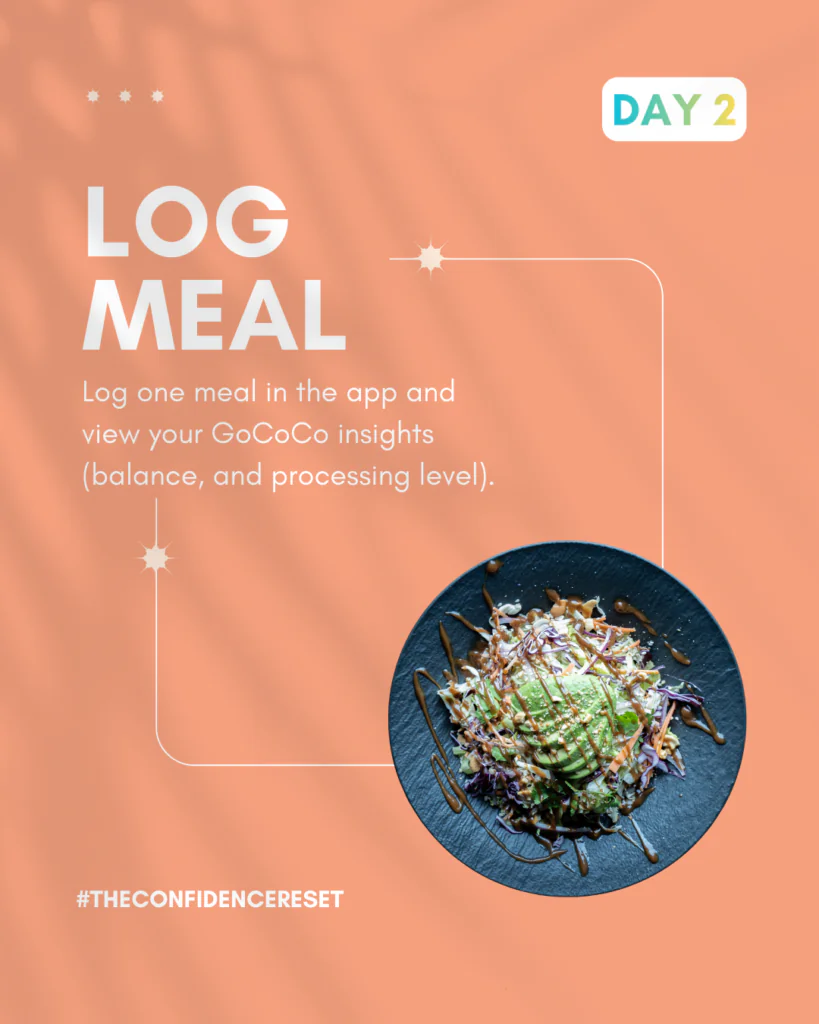
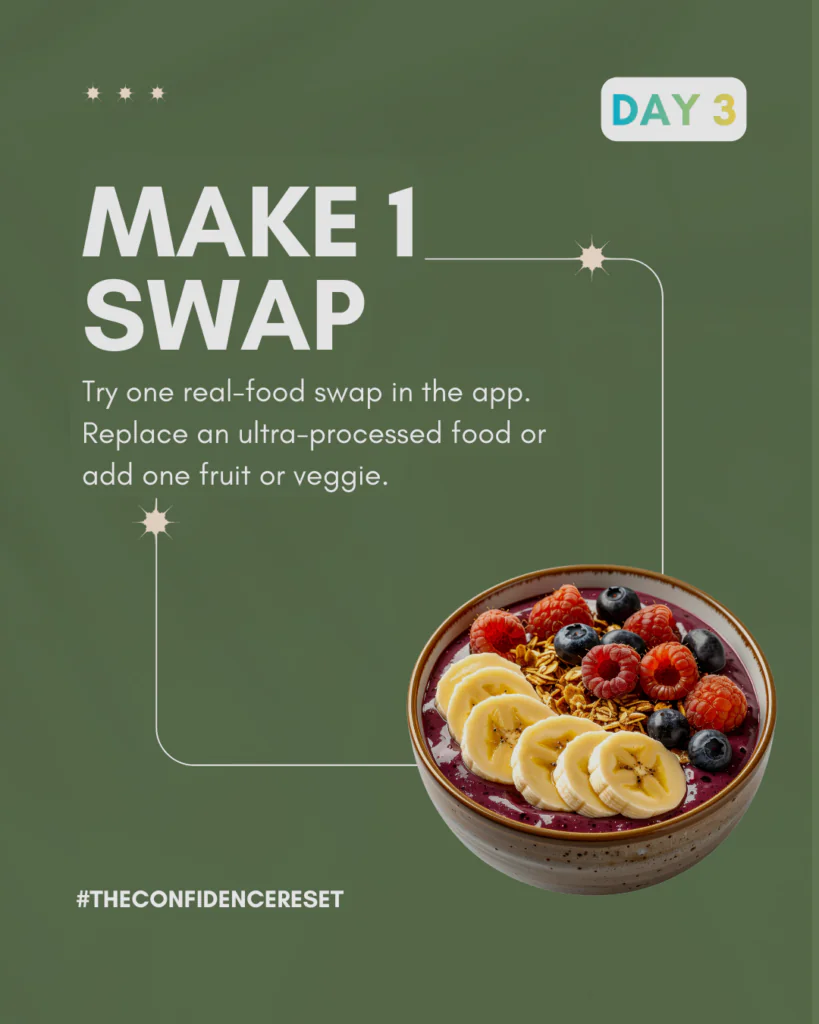
The Confidence Reset Challenge operated as a 7-day real-food awareness experience delivered through a closed pilot. In practice, the program integrated:
- DiabetesSisters’ established, women-centered peer support model
- GoCoCo’s real-time food scanning and logging technology
- Simple daily prompts that emphasized awareness rather than restriction

At the same time, the pilot reinforced three core principles:
- Awareness over restriction
- Curiosity over judgment
- Confidence over perfection
Notably, participants did not change what they ate. Instead, they strengthened their understanding of food choices, improved label literacy, and built self-trust in everyday decision-making.
Audience profile
The pilot engaged women across the diabetes spectrum, including those living with:
- Type 2 diabetes
- Prediabetes
- Type 1 diabetes
Importantly, most participants identified as living with type 2 diabetes or prediabetes, which aligned with the pilot’s focus on food awareness and practical nutrition decisions. Meanwhile, women living with type 1 diabetes also participated actively and contributed insights related to energy levels, glucose awareness, and meal composition.
As a result, this diversity provided valuable perspective on how confidence-centered nutrition engagement performs across diabetes types.
Engagement and performance outcomes
Although the pilot ran for a short duration, the program generated strong engagement signals relevant to healthcare and life sciences stakeholders evaluating scalable models.
Key outcomes included:
- 125 unique signups
- 1,240 landing page views
- 447 contacts influenced across email and social channels
- A 22% click rate on the top-performing email, which exceeded typical healthcare marketing benchmarks
In addition, participants demonstrated meaningful depth of engagement:
- Approximately 48 active participants using privacy-protected emails
- A 42% completion rate through Day 7
- Multiple food scans and logs per participant per day, indicating sustained, voluntary engagement
Impact on confidence and healthy eating behavior
Beyond engagement metrics, the pilot most strongly influenced participant confidence around healthy eating.
For example, participants reported:
- Greater confidence interpreting food labels and product information
- Reduced guilt and emotional stress related to eating
- Increased self-trust when making everyday food decisions
- Improved awareness of how food choices affected energy and blood glucose patterns
One participant summarized the experience clearly:
“This challenge helped me listen to my body without guilt and make food decisions with more confidence and self-compassion.”
Consequently, these outcomes align directly with healthcare priorities tied to self-efficacy, patient activation, and sustainable self-management.
Implications for healthcare leaders
Taken together, this pilot demonstrates that:
- Confidence-centered engagement can complement clinical care
- Peer support strengthens adoption and sustained use of digital health tools
- Short, focused pilots can generate meaningful real-world behavioral insights
- Purpose-aligned partnerships can deliver engagement and evidence simultaneously
Therefore, the DiabetesSisters and GoCoCo pilot offers a replicable framework for organizations seeking to improve patient experience, engagement quality, and trust, particularly among women living with or at risk of chronic conditions.
Key takeaway
Ultimately, when education, technology, and peer support work together intentionally, confidence becomes a measurable and meaningful outcome.
Through this pilot partnership, DiabetesSisters and GoCoCo show how a confidence-first approach to nutrition engagement can increase participation, deepen insight into behavior, and strengthen how women living with diabetes make healthy eating decisions.
Organizations interested in exploring similar confidence-centered engagement models for women living with diabetes are invited to connect with DiabetesSisters to learn more.