Ozempic, Mounjaro & More: What Women with Diabetes Should Know About New Weight-Loss Medications
Drugs like Ozempic and Mounjaro appear regularly in the news and on social media. There’s a lot of misinformation out there. So, let’s break down these drugs. We’ll look at what they are, how they work, and key women’s health considerations.
What are Ozempic and Mounjaro?
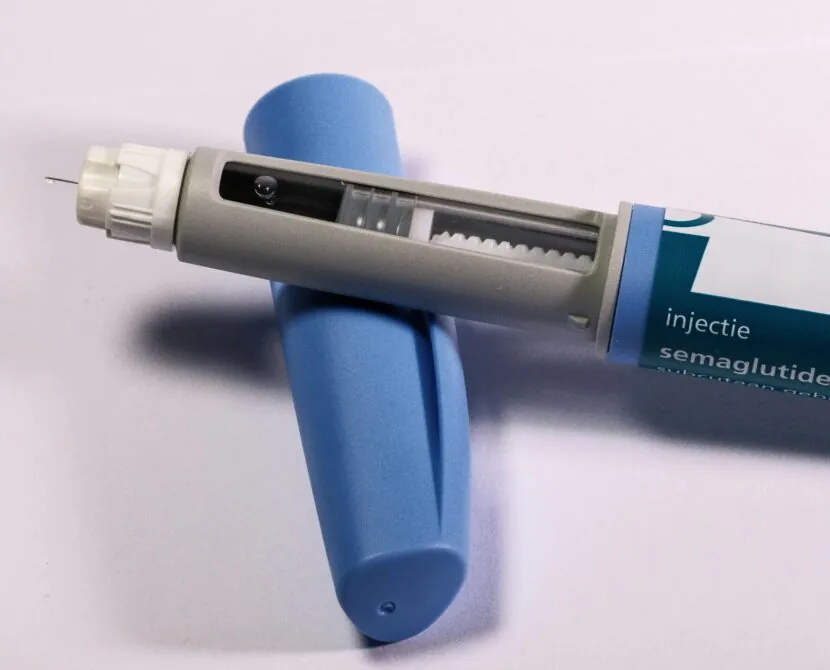
Ozempic and Wegovy are brand names for Semaglutide. This drug is a GLP-1 agonist, which stands for glucagon-like peptide 1 agonist. This class of medications was originally FDA-approved in 2005 for type 2 diabetes management. Semaglutide became available in 2017 and quickly became the most effective option for weight loss and lowering glucose. Over time, it gained approval for weight loss.
Zepbound and Mounjaro are the brand names for Tirzepatide, which is a dual agonist affecting GLP-1 and glucose-dependent insulinotropic polypeptide (GIP for short). Tirzepatide was FDA-approved in 2022 initially for type 2 diabetes management, and then also for weight loss. It affects two hormones, leading to significant weight loss and lower blood glucose.
How do weight loss medications work?
Researchers view GLP-1 and GIP as incretins. These are metabolic hormones made by the small intestine when we eat. They boost insulin release, slow down gastric emptying, and make you feel full. This helps with weight loss. They appear to have other benefits in the body as well, such as a positive impact on the heart, kidneys, and liver.
What to expect?
These medications are prescribed for type 2 diabetes or weight loss. They should be started at the lowest dose because they can have GI side effects like nausea, vomiting, diarrhea, and constipation.
There is a black box warning (the FDA’s strongest alert about serious side effects) for a rare thyroid cancer called medullary thyroid carcinoma or multiple endocrine neoplasia type 2 (MEN-2), a genetic condition that causes these tumors.
This warning applies if someone has a personal or family history of medullary thyroid carcinoma or MEN-2. However, other forms of thyroid cancer or conditions are not a problem. These medications don’t cause low blood glucose when used alone, but if combined with insulin or sulfonylurea, the risk increases.
GI symptoms often get better with time. This is why each dose is given for at least 4 weeks before increasing to the next higher dose. Some ways to prevent these effects include:
- Eating smaller meals.
- Cutting back on high-fat and spicy foods.
- Including plenty of fiber for better digestion.
Some people notice such strong appetite suppression that they forget to eat and drink. It’s important to get enough lean protein and water throughout the day. Protein intake and strength training are key for weight loss. They help prevent losing too much muscle.
Guidelines recommend long-term use
Semaglutide and Tirzepatide both lead to significant weight loss and lower blood glucose in clinical trials. On average, participants lost up to 20-25% of their weight and saw over a 2% drop in hemoglobin A1C.
These medications have an overall positive safety profile.
They also help with other issues, including sleep apnea, kidney problems, heart disease, and fatty liver disease. If you have one of these conditions, it might be easier to get your insurance to cover these drugs because the benefits for improving these conditions are strong.
Top groups like the American Diabetes Association (ADA) and the American Association of Clinical Endocrinology (AACE) recommend these drugs as the first choice for people with type 2 diabetes and heart or kidney disease. They also see these drugs as the best choices for lowering glucose and helping with weight loss. Since ninety percent of those with type 2 diabetes also have overweight and obesity, weight loss is usually a goal of treatment.
Evidence is also building for the use of these medications for those living with type 1 diabetes. Recent clinical trials show benefits for weight loss and lowering glucose in this population. However, they are not yet FDA-approved.
When it comes to people with obesity and without diabetes, the 2025 AACE guidelines recommend semaglutide and tirzepatide as first line over other drug classes for a variety of conditions, including those with prediabetes, type 2 diabetes, osteoarthritis, kidney disease, heart failure, fatty liver, cardiovascular protection, and sleep apnea. The other drugs used for obesity, like Contrave, Qsymia, and orlistat, do not demonstrate as much weight loss.
Women’s health benefits
GLP-1 agonists help with women’s health. They are especially useful for polycystic ovary syndrome (PCOS) and infertility linked to obesity. Clinical trials in people with PCOS have shown positive benefits.
They indicate improved weight and reduction of insulin resistance. Also, there are beneficial effects on androgen levels and menstrual regularity. It is important to note that these drugs are not approved for use in pregnancy, as there is some concern of fetal harm based on animal data.
The recommendation is to discontinue before planning a pregnancy. If that is not done, then discontinue upon finding out you are pregnant.
There is evidence supporting the use of GLP-1 agonists for weight management in perimenopausal and postmenopausal women, particularly for obesity and metabolic disturbances associated with menopause. Weight gain is common during this time period, and these drugs can help counteract that.
Do they have to be taken forever?
Obesity as well as type 2 diabetes are chronic conditions, so typically once a medication is started, it’s not stopped unless it’s replaced with something else. The condition always needs to be managed.
In the case of overweight and obesity, maintaining weight loss after stopping the medication can be very challenging. In fact, studies have shown that most (but not all) people do gain the weight back when they stop the medication.
When used for diabetes management, there is a risk of glucose levels rising when stopped. Also, some of the other indications, like kidney disease and cardiovascular disease, show benefits irrespective of weight loss and glucose lowering, and should be continued if you have those conditions for their benefit.
There are different strategies being investigated for long-term management, such as slowly tapering off the drug or going to alternate forms of dosing, such as every 2-3 weeks instead of weekly. We are still learning the best approach, but for now, it’s best to plan for long-term use.
The psychological impact
GLP-1 drugs are associated with small improvements in mental health-related quality of life and eating behaviors. But they are not expected to impact depression, anxiety, and other mental health conditions directly. Taking the drug is a personal decision.
Among those who use GLP-1 medications (estimated at about one in eight adults), some are comfortable sharing this information, while others prefer to keep it private. Unfortunately, many people have viewed overweight and obesity as a personal failing of not exercising or eating healthily enough. We now know it’s a medical condition related to insulin resistance and other hormones like GLP-1 and GIP. Therefore, the use of these drugs should never be associated with any sense of shame.
There is a lot of information and misinformation out there on this class of medication. Overall, it’s been a total game-changer and the best treatment we currently have for type 2 diabetes and weight management. It also has benefits beyond these conditions. There are some side effects, and it’s a personal decision whether to take it or not, one that should be discussed with your healthcare team.
Looking for more support and guidance?
If you are living with prediabetes, have risk factors for type 2 diabetes, or want to take proactive steps for your health, explore our Type 2 Diabetes Prevention resources. You’ll find practical strategies, education, and supportive tools designed to help women understand their risk and take meaningful steps toward prevention and long-term wellness.
References
- Lin S, Deng Y, Huang J, Li M, Sooranna SR, Qin M, Tan B. Efficacy and safety of GLP-1 receptor agonists on weight management and metabolic parameters in PCOS women: a meta-analysis of randomized controlled trials. Sci Rep. 2025 May 13;15(1):16512. doi: 10.1038/s41598-025-99622-4
- Pierret ACS, Mizuno Y, Saunders P, et al. Glucagon-Like Peptide 1 Receptor Agonists and Mental Health: A Systematic Review and Meta-Analysis. JAMA Psychiatry. 2025;82(7):643–653. doi:10.1001/jamapsychiatry.2025.0679
- Mozaffarian D, Agarwal M, Aggarwal M, Alexander L, Apovian CM, Bindlish S, Bonnet J, Butsch WS, Christensen S, Gianos E, Gulati M, Gupta A, Horn D, Kane RM, Saluja J, Sannidhi D, Stanford FC, Callahan EA. Nutritional priorities to support GLP-1 therapy for obesity: A joint Advisory from the American College of Lifestyle Medicine, the American Society for Nutrition, the Obesity Medicine Association, and The Obesity Society. Obesity (Silver Spring). 2025 Aug;33(8):1475-1503. doi: 10.1002/oby.24336. Epub 2025 May 30.
- Nadolsky K, Garvey WT, Agarwal M, Bonnecaze A, Burguera B, Chaplin MD, Griebeler ML, Harris SR, Schellinger JN, Simonetti J, Srinath R, Yumuk V. American Association of Clinical Endocrinology Consensus Statement: Algorithm for the Evaluation and Treatment of Adults with Obesity/Adiposity-Based Chronic Disease – 2025 Update. Endocr Pract. 2025 Sep 18:S1530-891X(25)00977-2. doi: 10.1016/j.eprac.2025.07.017.
- ADA Standards of Care 2025.
Written by