The Power of Peer Support in Diabetes Care | Dr. Robert Gabbay & Donna Rice
Overview
What role does peer support play in improving diabetes outcomes—and why is it still underutilized in healthcare?
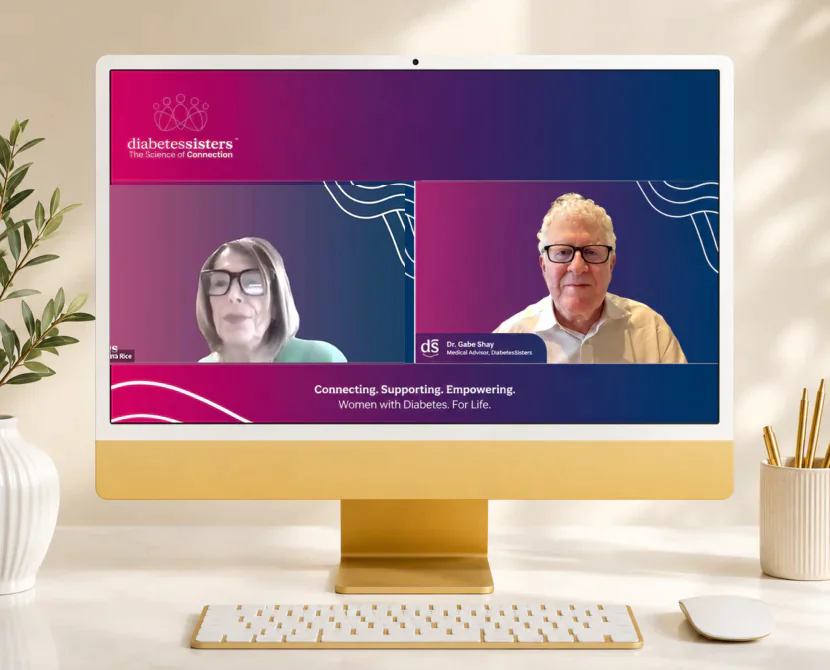
In this conversation, Donna Rice, MBA, BSN, RN, CDCES, Chief Clinical Officer of DiabetesSisters, sits down with Dr. Robert Gabbay, MD, PhD, FACP, Associate Professor at Harvard Medical School and former Chief Scientific and Medical Officer of the American Diabetes Association, to discuss why peer support should be recognized as a core component of diabetes self-management education and support (DSMES). Together, they explore the growing body of evidence showing that structured peer support can improve medication adherence, reduce diabetes distress, strengthen self-management behaviors, and help people navigate the everyday realities of living with diabetes.
The discussion also highlights how DiabetesSisters has evolved from a community organization into an evidence-based behavioral engagement platform that connects women with trusted education, expert guidance, and meaningful peer support throughout every stage of life with diabetes.
Thank you to our sponsor embecta for making this conversation possible.
Key Takeaways
- Education alone isn’t enough. People living with diabetes need ongoing support between healthcare visits to successfully turn knowledge into daily action.
- Peer support improves health outcomes. Research has shown that structured peer support can reduce diabetes distress, improve medication adherence, lower A1C, and even decrease emergency department visits in some populations.
- Just-in-time support matters. Rather than expecting people to remember everything they learned months or years earlier, timely guidance when challenges arise is critical for successful self-management.
- Healthcare providers need simple referral pathways. Many clinicians recognize the value of peer support but don’t know where to refer patients. Easy-to-access, trusted programs can help bridge this gap.
- Quality peer support requires training. Effective peer support is more than shared experience—it relies on trained facilitators who can provide accurate, supportive guidance while fostering meaningful community connections.
- Women have unique diabetes experiences. From pregnancy to menopause, women often face distinct challenges that benefit from connecting with others who understand those experiences firsthand.
- Support should be a foundational part of diabetes care. Both speakers emphasize that improving diabetes outcomes requires treating peer support as an essential—not optional—part of comprehensive care.
Interested in Bringing DiabetesSisters into Your Community?
Bring DiabetesSisters’ programs and resources to your healthcare community and help more women living with diabetes access the education, connection, and support they deserve.
Written by